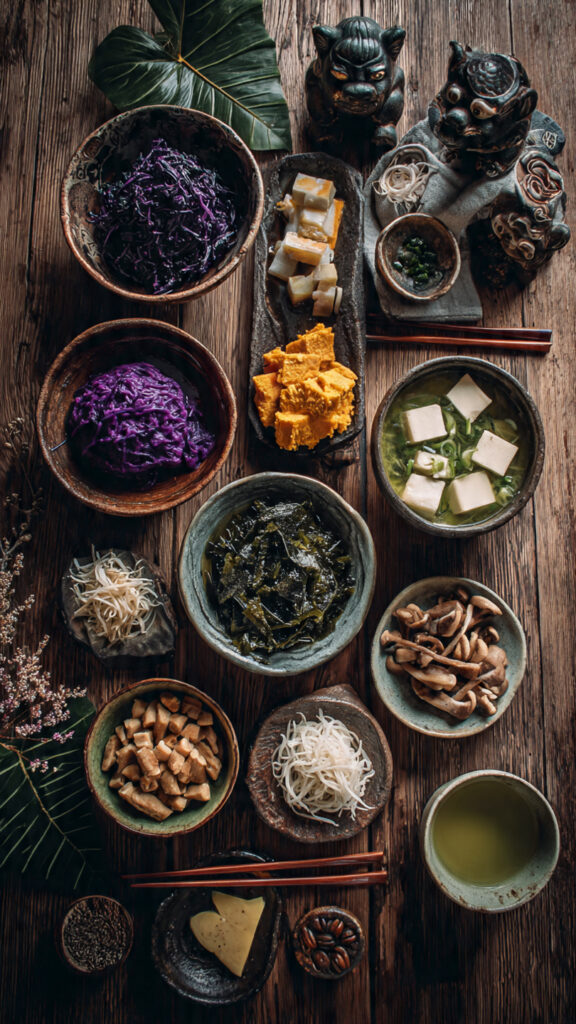
The Okinawan Blueprint for a Longer Life
In the southern islands of Okinawa, centenarians Vegan Japanese Superfoods aren’t rare they’re a way of life. This “Blue Zone” has fascinated scientists for decades, not just because people live longer, but because they live better. Their secret lies in a powerful combination of lifestyle and diet, anchored by the philosophy of Hara Hachi Bu eating until you are 80% full
These ten vegan Japanese superfoods are not just traditional they’re scientifically validated anti-aging vegan foods that support heart health, brain function, and metabolic resilience.
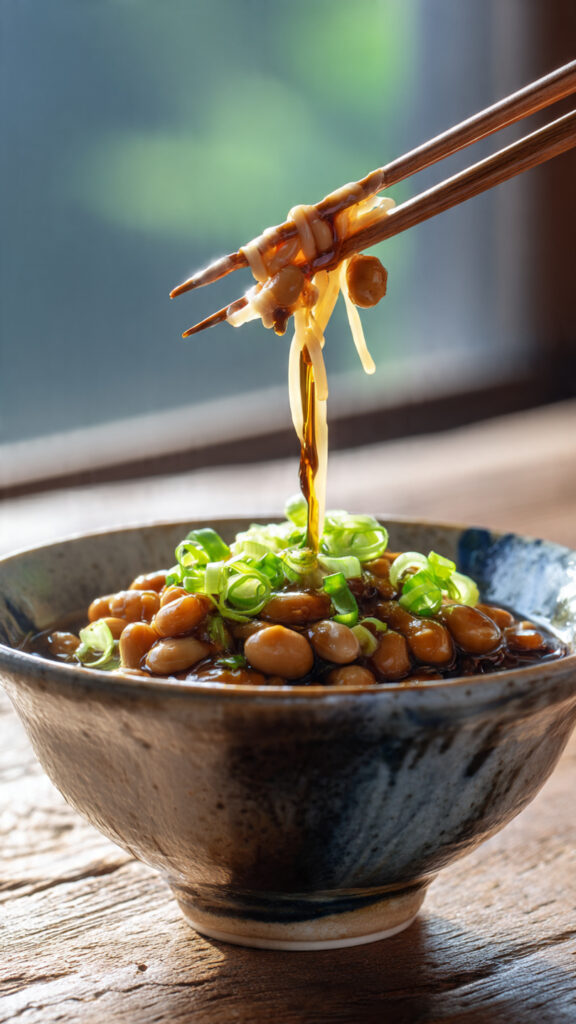
1. Natto (Fermented Soy): The Artery Protector
Natto is a staple in Okinawa Blue Zone recipes, known for its sticky texture and potent health effects
Key Nutrients: Nattokinase, Vitamin K2
- Supports blood circulation and prevents arterial plaque
How to prepare:
- Mix with soy sauce and mustard
- Serve over warm rice
- Add chopped scallions for flavor
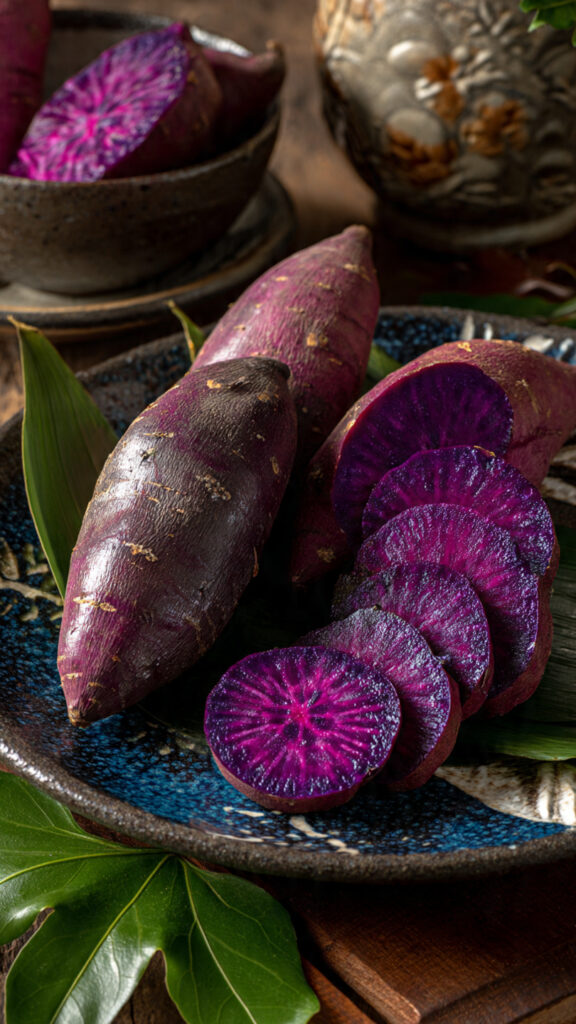
2. Purple Sweet Potatoes (Beni Imo): The Antioxidant Engine
Once the primary calorie source in Okinawa, Beni Imo is rich in anthocyanins.
Key Nutrients: Anthocyanins, complex carbs
- Provides slow-burning energy and reduces oxidative stress
How to prepare:
- Steam or roast whole
- Mash with a pinch of sea salt
- Add to breakfast bowls
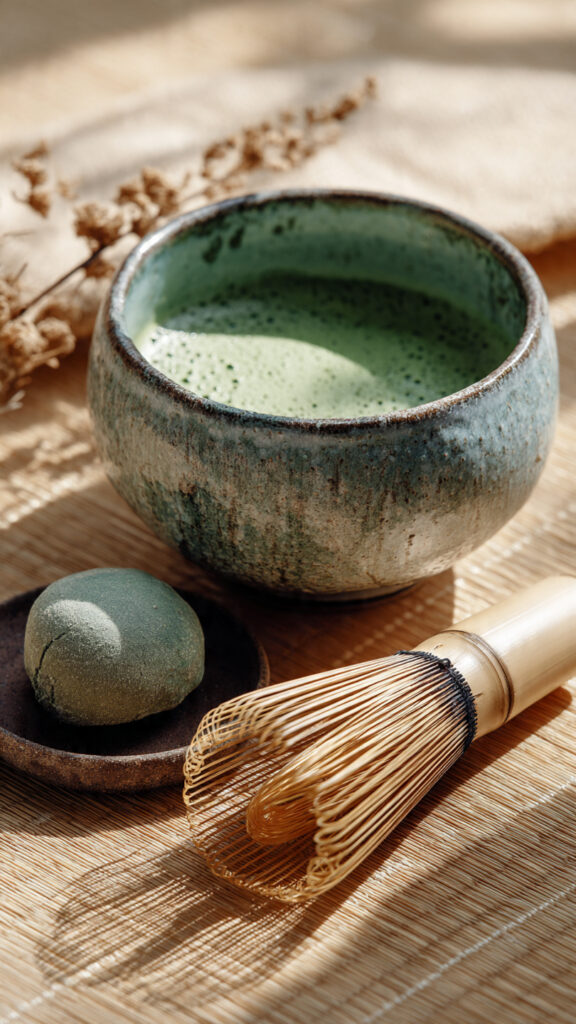
3. Matcha (Ceremonial Grade): The Metabolic Elixir
Matcha is a cornerstone of bio-hacking nutrition in 2026.
Key Nutrients: EGCG, L-theanine
- Boosts metabolism and activates fat oxidation
How to prepare:
- Whisk in hot (not boiling) water
- Blend into smoothies
- Use in lattes with plant milk
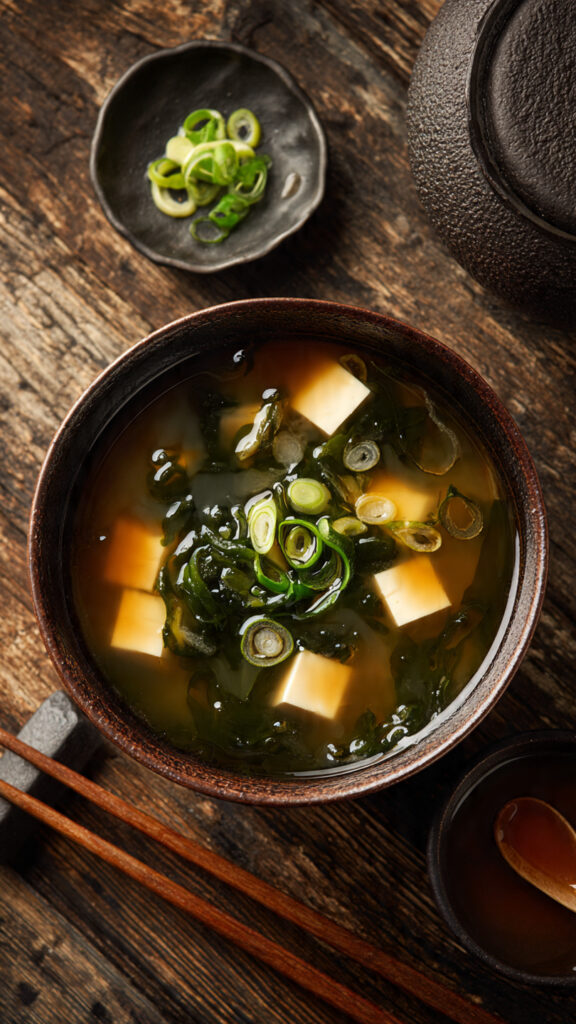
4.Miso: The Gut-Brain Axis Champion
Miso is one of the best fermented foods for long life, driving microbiome diversity and one of the best Vegan Japanese Superfoods
Key Nutrients: Probiotics, enzymes
- Enhances gut health and cognitive function
How to prepare:
- Dissolve in warm water (not boiling)
- Add tofu and seaweed
- Consume daily as soup
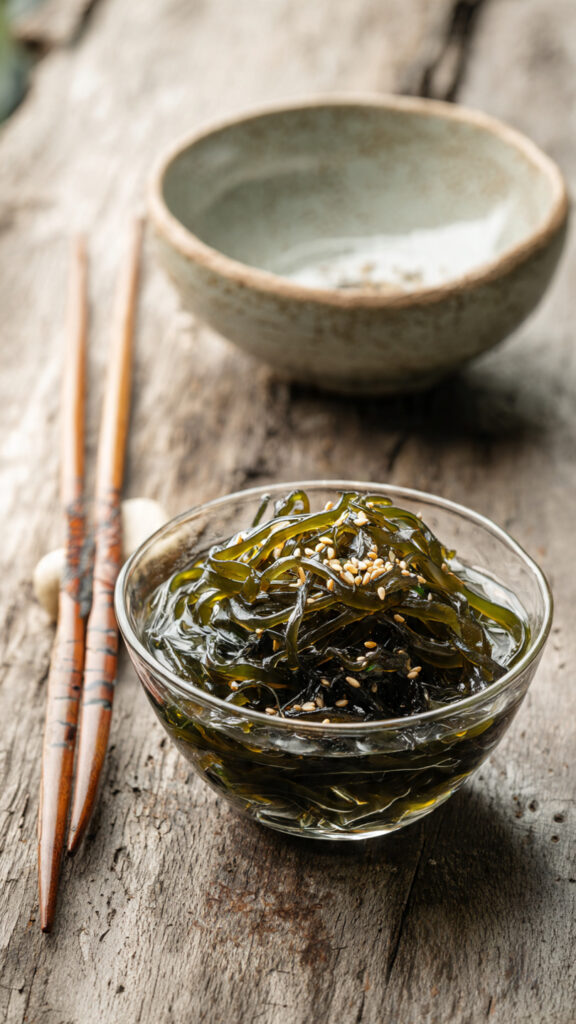
5. Mozuku Seaweed: The Anti-Tumor Defender
Mozuku is rich in fucoidan, a compound linked to anti-cancer properties
Key Nutrients: Fucoidan, iodine
- Supports immune defense and cellular repair
How to prepare:
- Serve as a vinegar salad
- Add to soups
- Pair with cucumber slices
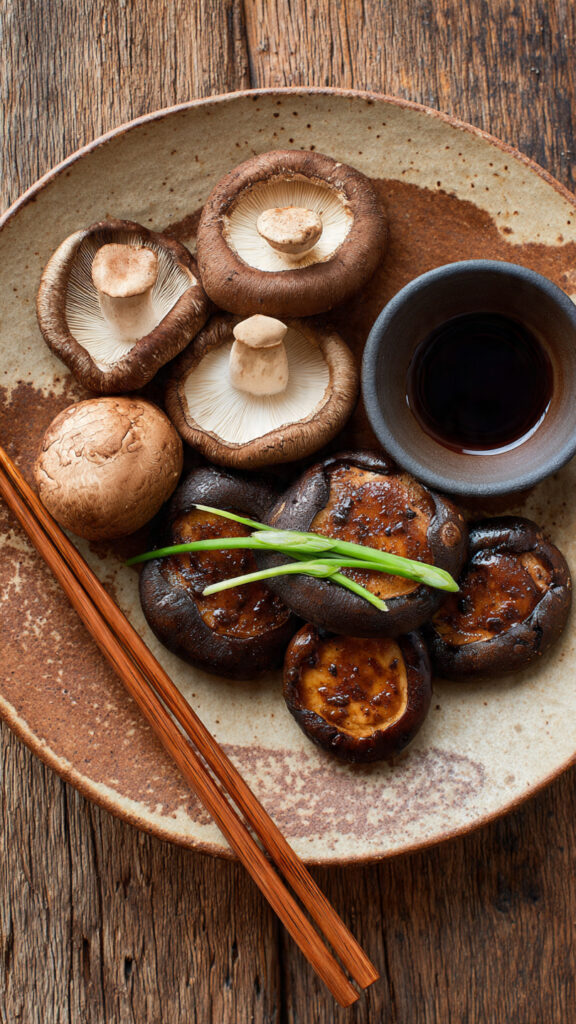
6. Shiitake Mushrooms: Immune System Armor
Key Nutrients: Lentinan
- Boosts immunity and fights inflammation
How to prepare:
- Sauté with garlic
- Add to broths
- Grill for umami flavor
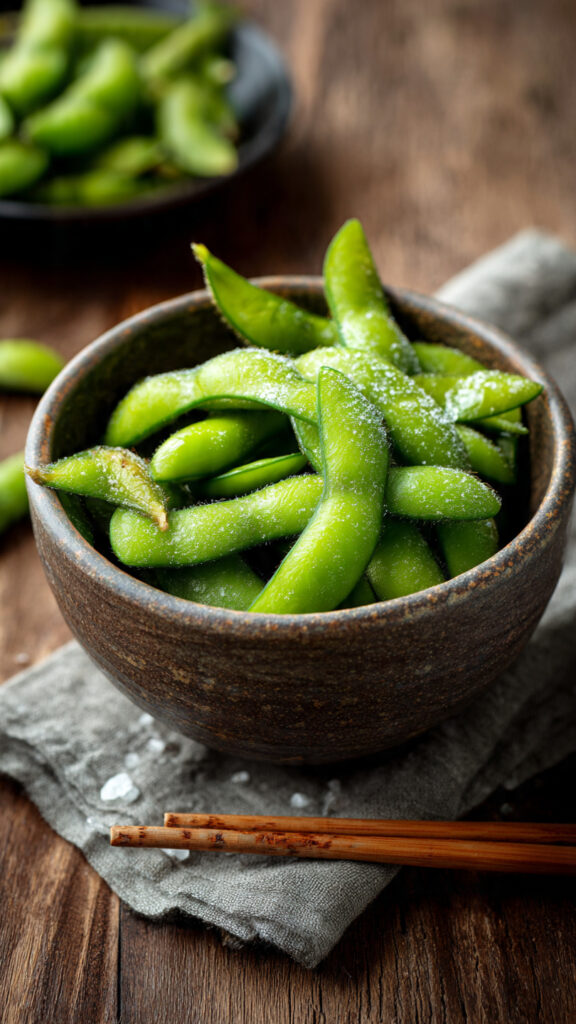
7. Edamame: The Fiber-Maxxing Staple
Key Nutrients: Protein, fiber
Supports muscle retention and satiety
How to prepare:
- Boil with sea salt
- Toss in salads
- Blend into dips
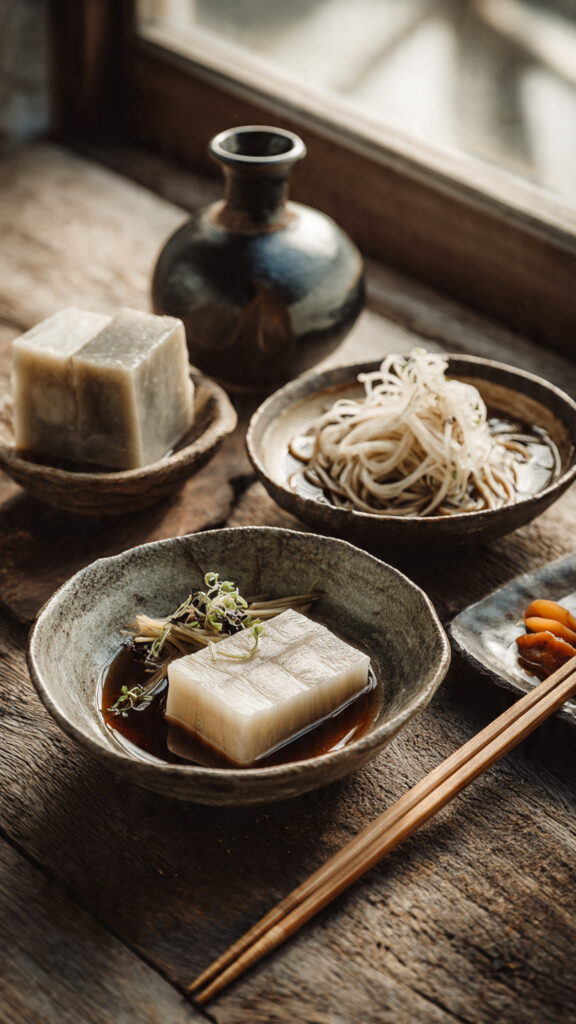
8. Konnyaku (Konjac): The Zero-Calorie Cleanser
Key Nutrients: Glucomannan
- Promotes gut cleansing and satiety
How to prepare:
- Slice into stir-fries
- Use as noodle substitute
- Simmer in broths
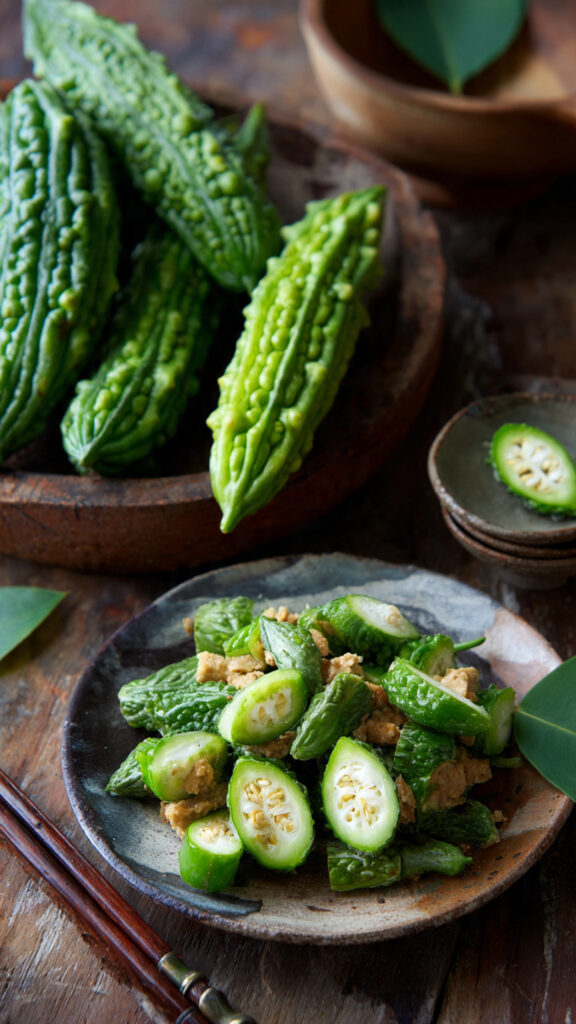
9.Goya (Bitter Melon): The Blood Sugar Regulator
Key Nutrients: Charantin
- Helps regulate glucose and prevent diabetes
How to prepare:
- Stir-fry with tofu
- Slice thin to reduce bitterness
- Pair with soy-based sauces
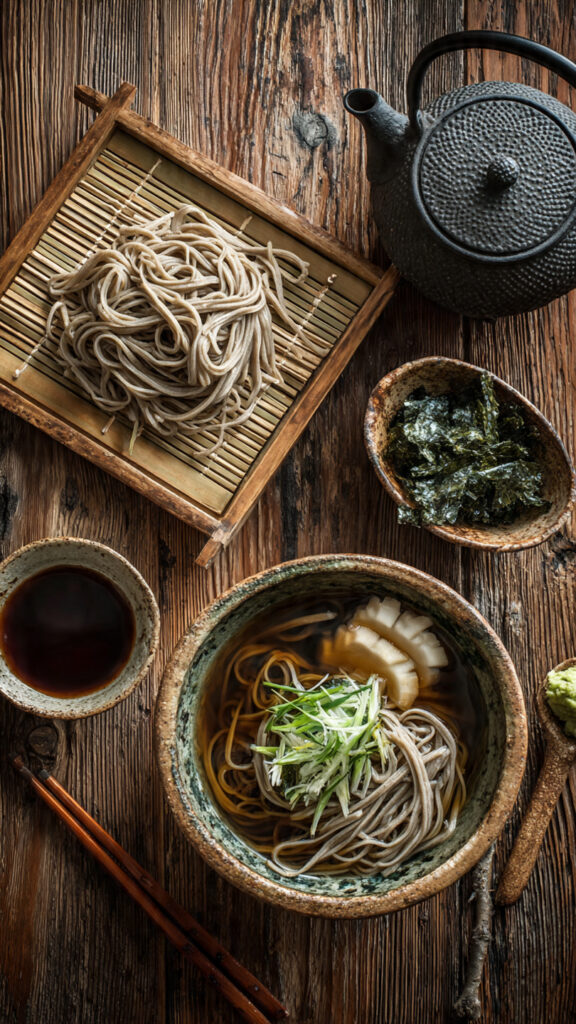
10.Soba (Buckwheat): The Vascular Protector
Key Nutrients: Rutin
- Improves blood vessel elasticity and circulation
How to prepare:
- Serve cold with dipping sauce
- Add to soups
- Mix with vegetables for bowls
FAQ: Featured Snippets
What is the secret to Japanese longevity?
The secret lies in a nutrient-dense, plant-based diet combined with mindful eating practices like Hara Hachi Bu. Foods rich in antioxidants, probiotics, and fiber support cellular repair, reduce inflammation, and enhance metabolic efficiency over time and good Vegan Japanese Superfoods
Which Vegan Japanese Superfoods has the most antioxidants?
Purple sweet potatoes (Beni Imo) are among the richest in antioxidants due to their high anthocyanin content. Matcha is another powerhouse, delivering concentrated EGCG levels that combat oxidative stress and support longevity.
Daily Longevity Routine
To maximize the benefits of these anti-aging vegan foods, structure your day strategically
Morning (Cellular Activation)
- Matcha tea
- Steamed purple sweet potato
- Miso soup
Midday (Energy & Protein)
- Soba noodles with vegetables
- Edamame side
Evening (Repair & Recovery)
- Natto over rice
- Shiitake mushroom broth
- Mozuku seaweed salad
Snack (Metabolic Balance)
- Goya stir-fry
- Konnyaku noodles
Conclusion: The Science of Eating for Longevity
The Vegan Japanese Superfoods longevity diet 2026 is more than tradition,it’s a scientifically grounded approach to extending healthspan. These foods act as plant-based autophagy triggers, enhance microbiome diversity, and function as sirtuin-activating foods.
Longevity isn’t just about years,it’s about living better, longer. And it starts on your plate.
Explore how global cuisines influence health and lifestyle across different regions
Follow Us
Leave a Reply