Herbal tea,more accurately called tisanes,is one of the oldest and most versatile wellness practices in human history.Unlike traditional tea derived from the plant Camellia sinensis (such as green, black, or oolong tea), herbal infusions are made from a diverse range of botanicals: leaves, flowers, roots, seeds, and bark.This distinction is crucial because herbal teas are naturally caffeine-free (with a few exceptions) and often consumed for their therapeutic properties rather than stimulation. let’s dive the into how to make herbal tea at home
In recent years, the ritual of brewing herbal tea has evolved into a cornerstone of modern wellness culture. From stress relief to digestive support, people are rediscovering the power of plant-based infusions.The appeal lies not only in their health benefits but also in the sensory experience i.e aroma, warmth, and flavor working in harmony.
Understanding how to make herbal tea properly transforms a simple cup into a potent, flavorful, and nourishing ritual. This guide blends traditional herbal wisdom with modern science to help you master the art of infusion.
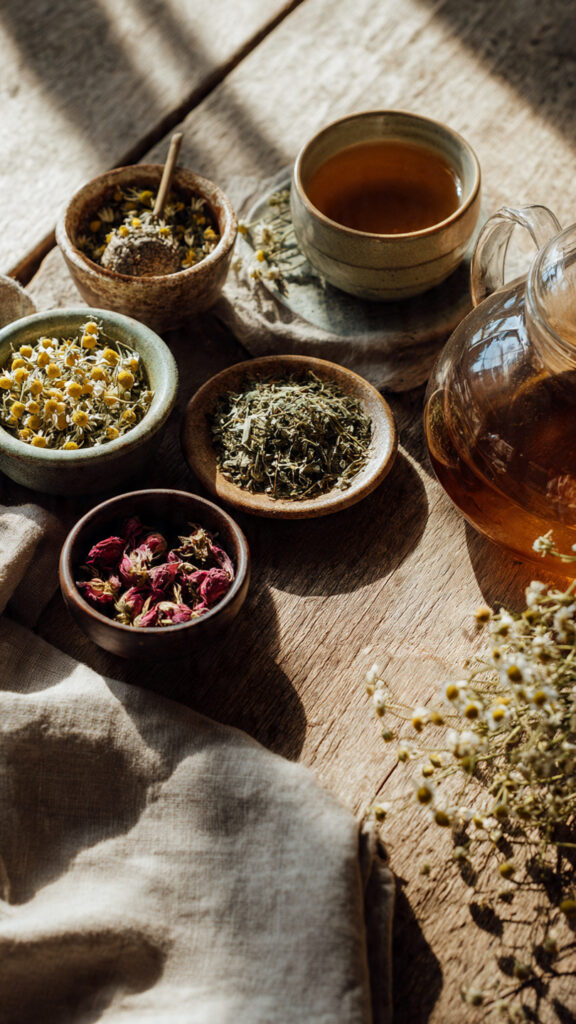
The Anatomy of an Infusion
At its core, herbal tea preparation revolves around two primary methods: infusions and decoctions.
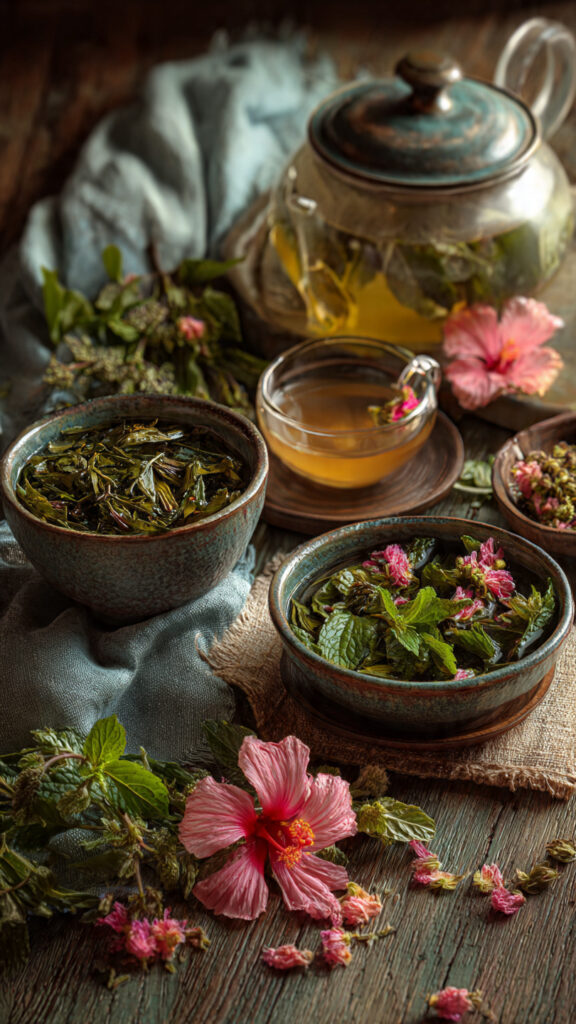
Infusions (Leaves & Flowers)
Infusions are used for delicate plant parts such as:
- Leaves (e.g., peppermint, tulsi)
- Flowers (e.g., chamomile, hibiscus)
These botanicals contain volatile oils and fragile compounds that can degrade under excessive heat.The process involves pouring hot water over the herbs and allowing them to steep gently.
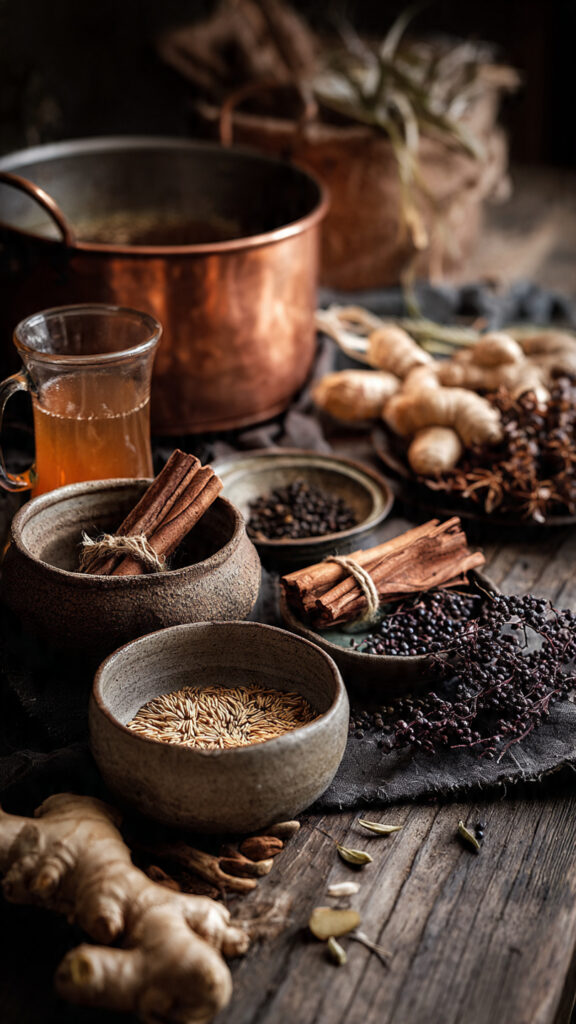
Decoctions (Roots, Bark & Berries)
Decoctions are reserved for tougher plant materials:
- Roots (e.g., ginger, ashwagandha)
- Bark (e.g., cinnamon)
- Seeds and berries (e.g., fennel, elderberry)
These require simmering rather than steeping.The prolonged heat helps break down dense plant fibers to extract deeper medicinal compounds.
The Science of Extraction
Heat is the catalyst that unlocks the therapeutic potential of herbs.When hot water is applied:
- Plant cell walls break down
- Phytonutrients (flavonoids, alkaloids, polyphenols) are released
- Essential oils dissolve into the water
This process determines both the potency and flavor of your tea.Too little heat under-extracts; too much heat destroys delicate compounds. Precision matters.
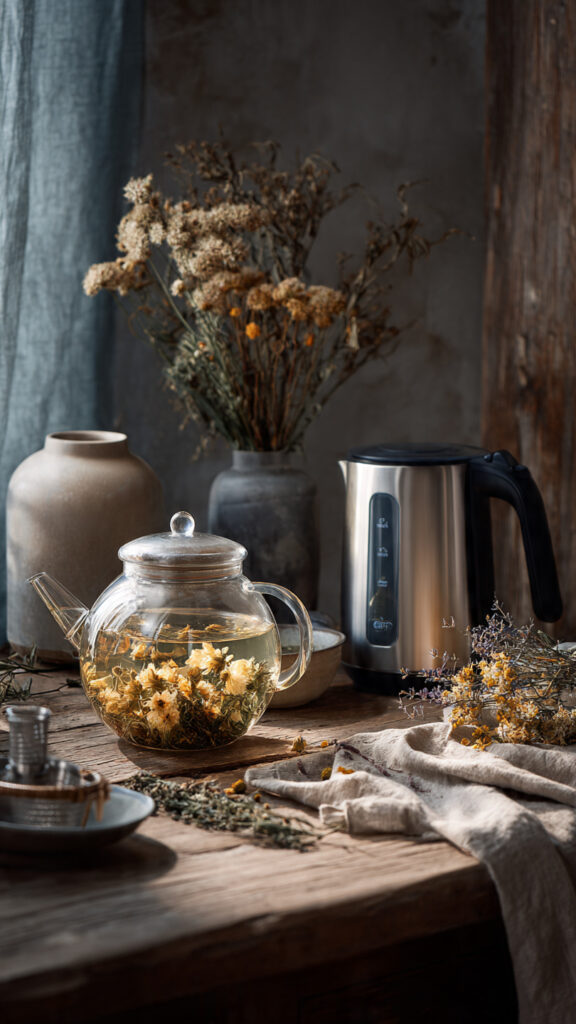
Essential Equipment
Creating a high-quality herbal infusion doesn’t require a laboratory but the right tools elevate the experience.
Teaware: Glass vs. Ceramic
Glass Teapots
Pros: Non-reactive, allows you to observe color changes
Cons: Loses heat quickly
Ceramic Teapots
Pros: Retains heat well, ideal for longer steeping
Cons: Can retain flavors if used for multiple herbs
Fine-Mesh Strainer
A fine-mesh strainer is essential for filtering out small particles, especially when using dried herbs. Loose-leaf brewing always yields better flavor than tea bags.
Temperature-Controlled Kettle
A game-changer for serious herbalists:
- Prevents overheating delicate herbs
- Ensures optimal extraction temperature
- Improves consistency
Sourcing Your Herbs
The quality of your herbal tea depends heavily on the quality of your ingredients.
Fresh vs. Dried Herbs
Fresh herbs
- Higher water content
- Brighter, greener flavors
- Best used in larger quantities
Dried herbs
- More concentrated
- Longer shelf life
- Ideal for medicinal infusions
A general rule:
Use 2-3X more fresh herbs than dried.
Organic & Ethical Sourcing
Always choose:
- Organic herbs (free from pesticides)
- Reputable suppliers
- Ethically harvested botanicals
Wildcrafting Safety
If you forage herbs yourself:
- Ensure correct plant identification
- Avoid polluted areas (roadsides, industrial zones)
Storage for Maximum Potency
To preserve volatile oils:
- Store in airtight containers
- Keep away from light, heat, and moisture
- Use within 6-12 months
Proper storage ensures your herbs retain both flavor and medicinal strength.
Step-by-Step Brewing Guide how to make herbal tea
Mastering how to make herbal tea comes down to precision and awareness.
1. Preparation: The “One Teaspoon Rule”
- Use 1 teaspoon dried herbs per cup (250 ml)
- For fresh herbs: 2-3 teaspoons
Adjust based on potency and taste.
2. Water Quality Matters
Water isn’t just a solvent-it shapes flavor.
- Filtered water is best
- High mineral content can dull flavors
- Slightly neutral pH enhances extraction
Avoid heavily chlorinated tap water.
3. Temperature Control
Not all herbs tolerate boiling water:
- Delicate herbs (chamomile, mint): 70-85°C
- Hard herbs (roots, seeds): 95-100°C
Boiling water can destroy fragile compounds in flowers and leaves.
4. The “Lid Rule” (Critical Insight)
Always cover your cup while steeping.
Why?
Essential oils responsible for aroma and therapeutic effects can escape through steam.
Covering traps these volatile compounds, preserving potency.
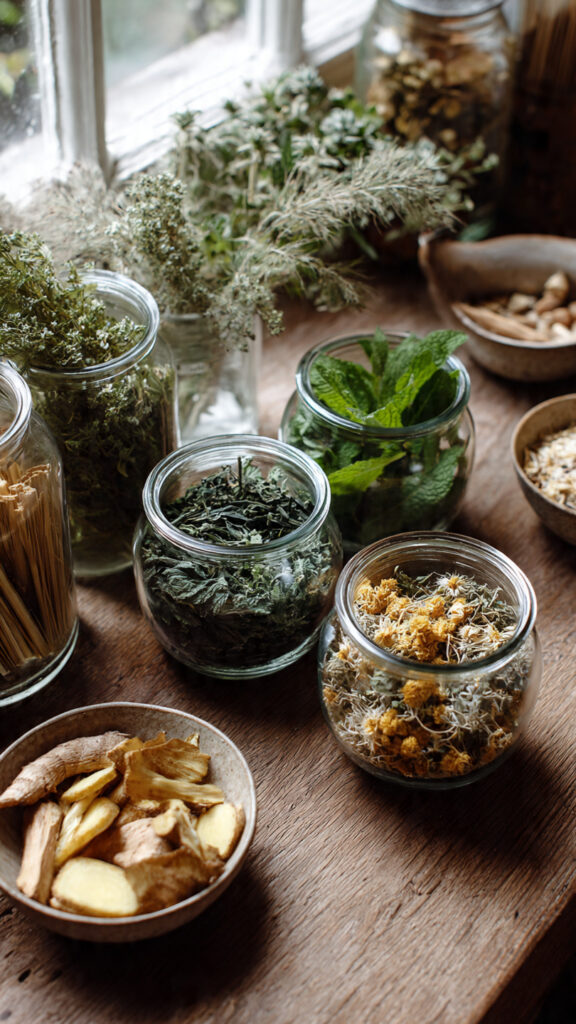
Flavor Balancing: Top, Middle & Base Notes
Creating a balanced herbal blend is an art:
- Top Notes (light, aromatic): Mint, lemongrass
- Middle Notes (body): Chamomile, nettle
- Base Notes (depth): Ginger, licorice root
A well-crafted tea engages all three layers for a full sensory experience and this is how to make herbal tea
Top 5 Herbal Recipes & Their Benefits
The Sleep Blend
Ingredients:
Valerian root
Lemon balm
Benefits:
Promotes relaxation
Supports deep sleep
Flavor: Earthy with mild citrus notes
The Digestion Aid
Ingredients:
Ginger
Fennel seeds
Benefits:
Reduces bloating
Stimulates digestion
Flavor: Warm, slightly sweet, and spicy
The Immunity Booster
Ingredients:
Elderberry
Echinacea
Benefits:
Supports immune response
Rich in antioxidants
Flavor: Tart and slightly bitter
The Stress Reliever
Ingredients:
Ashwagandha
Tulsi (Holy Basil)
Benefits:
Balances cortisol levels
Enhances resilience to stress
Flavor: Earthy, slightly peppery
The Refreshing Classic
Ingredients:
Hibiscus
Mint
Benefits:
Cooling and hydrating
Supports heart health
Flavor: Tangy, bright, and refreshing
Safety and Precautions
Herbal tea is powerful, but not always harmless.
- Consult a healthcare professional if pregnant or on medication
- Be aware of herb-drug interactions
- Avoid excessive consumption of strong medicinal herbs
- Start with small doses to observe body response
Even natural remedies require informed use
Conclusion
Learning how to make herbal tea is more than a skill,it’s a ritual that connects science, tradition, and sensory pleasure. Each cup represents a careful balance of temperature, time, and botanical intelligence. When approached with intention, herbal infusion becomes both medicine and meditation.
Discover why bubble tea is becoming one of the biggest beverage movements worldwide in our detailed Boba Tea Trends 2026 guide.
Can check out more options for Herbal Tea for weight loss at home
- 7 Viral Ice Cream Recipes Taking Over Kitchens in 2026 (Easy & Trending)
- Trending South Korean Healthy Foods Going Viral in USA 2026
- How Japanese Restaurant Chains Built Billion-Dollar Food Empires
- Vegetarian Tom Yum Soup: History, Variations & Authentic Thai Flavors
- The $86.91 Billion Scoop: The 10 Ice Cream Recipes Dominating Global Market
Follow Us
Leave a Reply