In Bengal, the Ballot Begins on the Plate
It’s May 2026, the West Bengal election 2026 food industry impact is visible not just in policies, but in everyday meals across households and across West Bengal, the air is thick not just with political tension, but with the aroma of frying fish, boiling rice, and freshly rolled kathi rolls. As counting trends dominate headlines, something far more intimate is shaping voter behavior.
From the bustling streets of Kolkata to the tribal belts of Purulia, the West Bengal election 2026 food industry has transformed kitchens into campaign zones. The debate is no longer just about governance it’s about what Bengalis should eat, who decides it, and what it costs.
Welcome to the era of Food Politics 2026, where fish, meat, and eggs have become ideological symbols. In Bengal, the path to the ballot box doesn’t pass through speeches it goes straight through the stomach.
Bengali Food Culture: Heritage Meets Political Strategy
The Quintessential Bengali Thali: Identity on a Plate
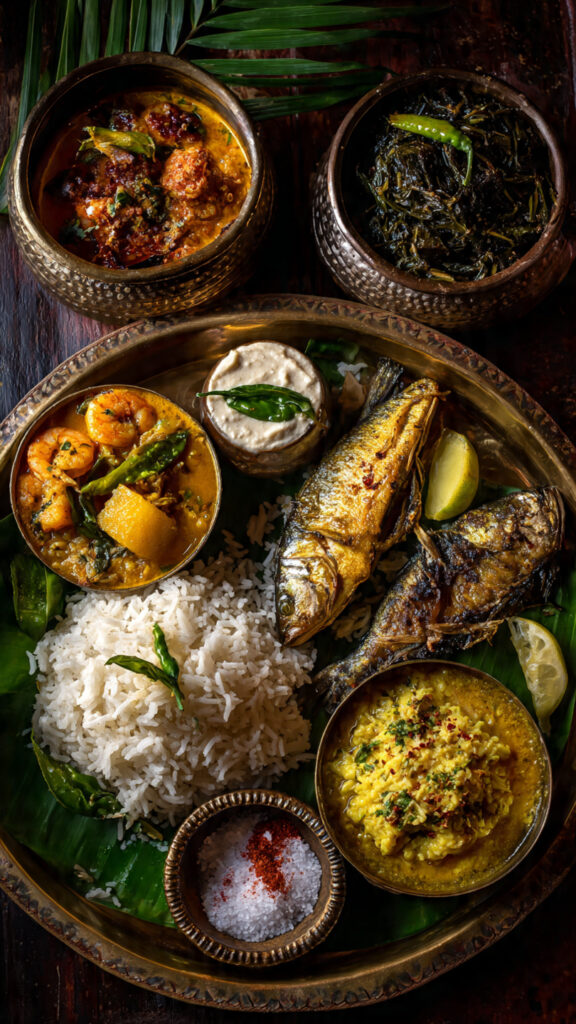
At the heart of Bengali food culture lies the iconic thali a carefully curated symphony of flavors:
- Steamed gobindobhog rice
- Shorshe ilish (mustard hilsa)
- Chingri malai curry
- Shaak bhaja
- Musoor dal
- Mishti doi or rosogolla
This isn’t just a meal it’s a cultural manifesto. In 2026, political narratives are increasingly tied to preserving (or redefining) this culinary identity.
The rise of “Hyper-local Heritage Dining” is one of the biggest Kolkata street food 2026 trends. Restaurants and pop-ups are reviving forgotten district-level recipes Bankura posto, Malda mango curries, Murshidabad rezala appealing to regional pride amid political polarization.
Street Food Diplomacy: Campaigning Through Cuisine
Two legendary food hubs have become unofficial political stages:
- Dacres Lane
- Park Street
Here, leaders don’t just address crowds they eat publicly. A plate of fish fry or a cone of jhalmuri becomes a campaign speech in itself.
In 2026, street food isn’t casual it’s calculated. Every bite is a broadcast.
The 2026 Election Impact on the Food Industry
1. The Sweet Economy: When Rosogolla Picks a Side
Kolkata’s iconic sweet shops are no longer neutral ground.
At heritage brands like:
- Balaram Mullick & Radharaman Mullick
- K.C. Das
Rosogollas are being tinted in saffron and green hues, subtly reflecting political trends as counting unfolds.
This isn’t just novelty it’s real-time demand mapping. Consumers are buying sweets that reflect their political mood, and retailers are adapting instantly.
West Bengal election 2026 food industry sweets trend and “political rosogolla Kolkata” are emerging high
2. The Hospitality Crunch: Coastal Economies Under Pressure
Election Commission restrictions on hotel occupancy in:
- Digha
- Mandarmani
have triggered a hospitality-food crisis.
Impact Breakdown:
- Seafood restaurants reporting 30-40% revenue drops
- Fish suppliers facing reduced demand
- Street vendors losing peak tourist income
In a state where tourism fuels local food ecosystems, election regulations are creating unintended economic shockwaves.
3. Supply Chain Shock: The Rising Cost of Ilish & Chicken
Election rallies in the West Bengal election 2026 food industry are massive logistical operations. Feeding thousands daily has consequences:
Price Surge Insights:
- Hilsa (Ilish): Supply disruptions + high demand = price spikes
- Poultry: Bulk procurement for rallies increases wholesale rates
- Vegetables: Transport bottlenecks inflate retail prices
The irony is stark: political feasts are inflating household food budgets.
Viral Leaders & Their “Power Meals
Mamata Banerjee: The Power of Simplicity
When analyzing Mamata Banerjee favorite food, the answer is politically loaded. Her go-to snacks:
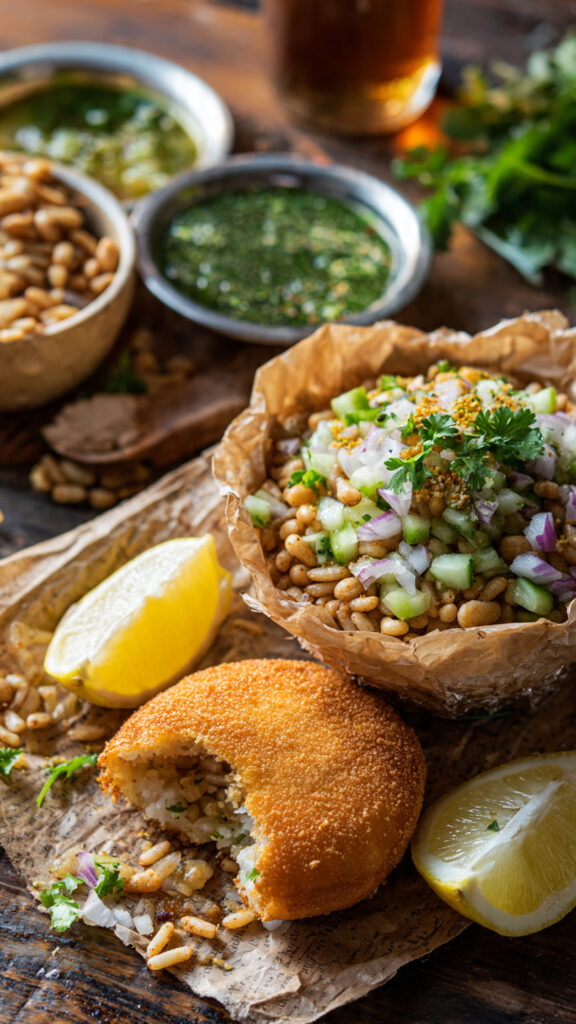
- Jhalmuri
- Alur Chop
These humble foods reinforce her “Ma Mati Manush” identity-grassroots, accessible, and deeply Bengali.
During rallies in Purulia, her public consumption of local snacks wasn’t incidental – it was symbolic. Food became a visual shorthand for authenticity.
BJP Bengal Food Politics: Eating for Cultural Entr
The BJP West Bengal election 2026 food industry politics strategy is centered on culinary assimilation.
Key figures:
- Narendra Modi
- Amit Shah
…have been seen enjoying:
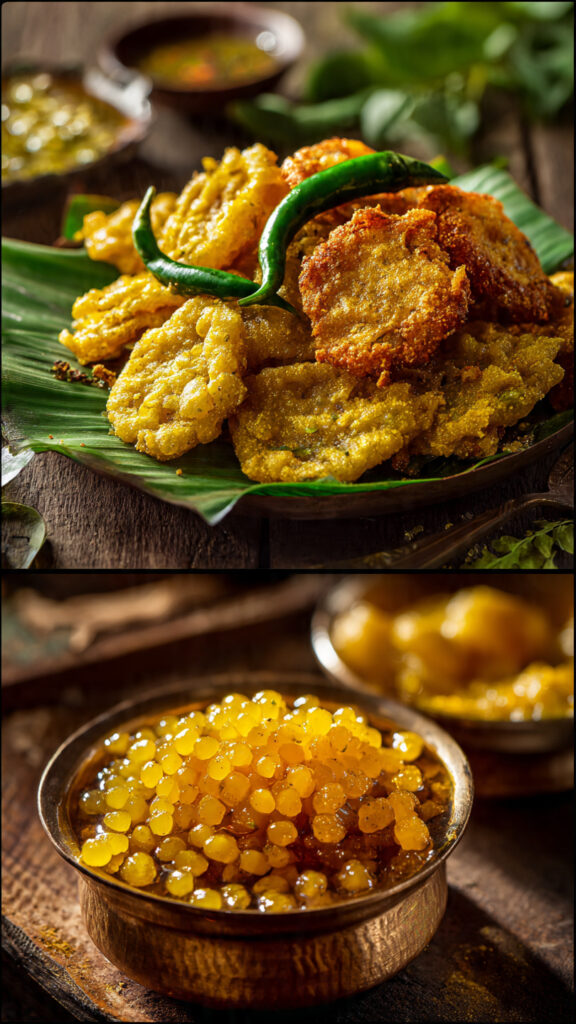
- Bhabra Bhaja in Purulia
- Mihidana in Burdwan
The message is deliberate: We belong here we eat what you eat.
Gen-Z Leaders: Instagram, Cafes, and Digital Campaigns
A new generation of candidates is rewriting campaign rules.
Instead of rallies, they focus on:
- Cafe hopping across South Kolkata
- Instagram Reels showcasing fusion Bengali cuisine
- “Food vlog politics” targeting urban youth
For Gen-Z voters, visual relatability beats ideological rhetoric. Must-Try Election Snacks (Kolkata Street Food 2026 Edition) If you want to experience the election through flavor, start here:
- Jhalmuri – The ultimate political snack of the masses
- Alur Chop – Crispy, spicy, and symbolic
- Bhabra Bhaja – Rural Bengal’s identity marker
- Mihidana – Sweet diplomacy from Burdwan
- Kolkata Egg Roll – The urban voter’s comfort food
- Fish Fry & Cutlet – Campaign staples at rallies
- Ghugni Chaat – Street-side protein with political punch
Verdict: Promises vs. Plate Reality
| Political Narrative | Food Industry Reality 2026 |
| Affordable (food security) Boost tourism economy Protect Bengali food culture Local sourcing push Employment growth in F&B sector | Rising inflation in fish & poultry Coastal restrictions hurting food chains Commercialization & politicization Supply chain disruptions during rallies Seasonal instability and vendor losses |
The Bigger Picture: Who Controls the Bengali Plate?
The West Bengal Election 2026 food industry is redefining the relationship between politics and food.
Food is no longer passive it is:
- A campaign tool
- An economic indicator
- A cultural battlefield
From rosogolla colors to rally menus, every culinary decision carries political weight.
Final Call to Action: The Plate vs. The Vote
As Bengal votes and results unfold, one question remains impossible to ignore:
Is your plate being decided by the ballot?
Tell us your favorite “Political Snack” in the comments and which leader you think serves it best
Discover more about Global cuisines & food trends 2026
- 7 Viral Ice Cream Recipes Taking Over Kitchens in 2026 (Easy & Trending)
- Trending South Korean Healthy Foods Going Viral in USA 2026
- How Japanese Restaurant Chains Built Billion-Dollar Food Empires
- Vegetarian Tom Yum Soup: History, Variations & Authentic Thai Flavors
- The $86.91 Billion Scoop: The 10 Ice Cream Recipes Dominating Global Market
Follow Us