Introduction
The global plant-based food market has surged past the $30 billion mark, and it’s not slowing down anytime soon.
As health-conscious consumers and climate-aware food lovers reshape their diets, one cuisine stands out as a natural leader — Indian cuisine.
Unlike many Western vegan adaptations that rely heavily on processed meat alternatives, Indian food has been inherently plant-based for centuries. Built around legumes, vegetables, grains, and nutrient-rich spices, Best vegan Indian Dishes offer flavor, nutrition, and cultural authenticity in every bite.
From London supermarkets to New York meal kits, authentic vegan curry options are dominating shelves worldwide.
This guide explores the best vegan Indian curries that are shaping global food trends in 2026.
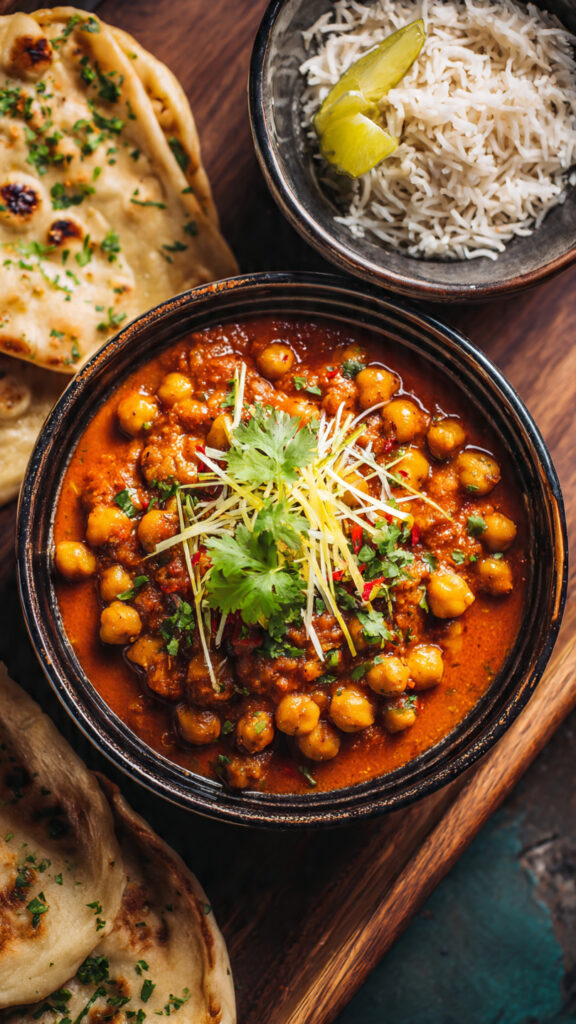
1. Chana Masala (Chickpea Curry): The Global Vegan Champion
Why It Leads the Market
Chana Masala is arguably the #1 globally recognized vegan Indian dish. Its appeal lies in its simplicity, affordability, and powerful nutrition profile.
Nutritional Highlights
- High-protein Best vegan Indian dishes, Chickpeas are rich in plant protein
- Loaded with fiber for digestive health
- Naturally gluten-free Indian curry
- Rich in iron and magnesium
Flavor Profile
A tangy, spicy curry infused with garam masala, tomatoes, cumin, and turmeric making it both comforting and energizing.
Pro-Tip
Add a squeeze of fresh lemon and chopped coriander at the end to elevate brightness and enhance turmeric benefits.
Key Takeaway
Chana Masala dominates global vegan menus due to its affordability, nutrition, and bold flavor.
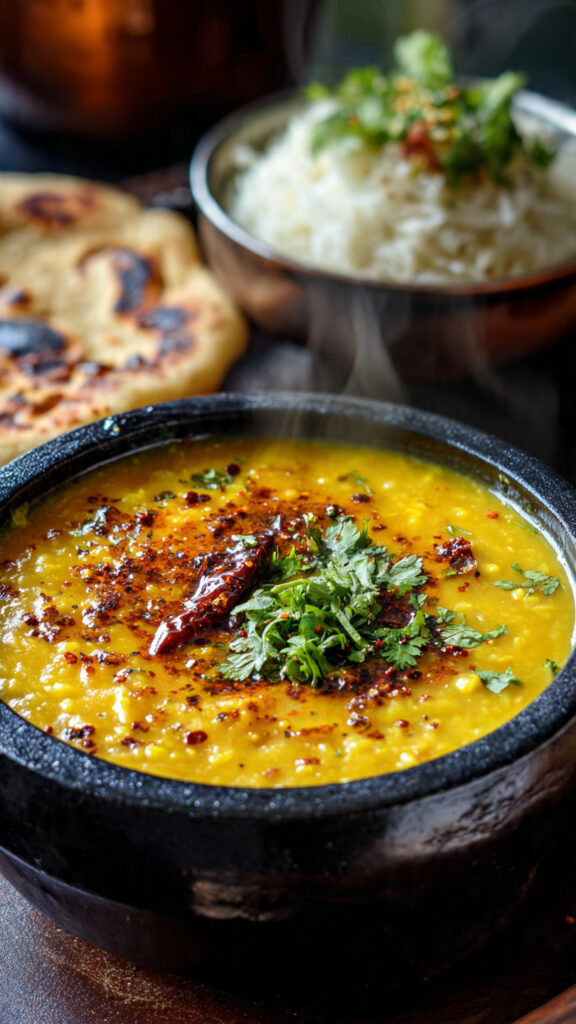
2. Dal Tadka (Lentil Curry): The Protein Powerhouse
Why It’s a Western Staple
Dal Tadka (or Dal Fry) has become a staple in the UK and US due to its high protein content and ease of adaptation into meal prep plans.
Nutritional Highlights
- Rich in plant-based protein from lentils
- Supports gut health with prebiotic fiber
- Low-fat and heart-friendly
- Excellent for whole-food plant-based (WFPB) diets
Flavor Profile
Yellow lentils cook until creamy, then tempered with garlic, cumin, and chili in hot oil creating a smoky, aromatic finish.
Pro-Tip
Use ghee alternatives like coconut oil for a vegan twist, and add a pinch of smoked paprika for depth.
Key Takeaway
Dal Tadka is the go-to “protein powerhouse” driving vegan adoption in Western markets.
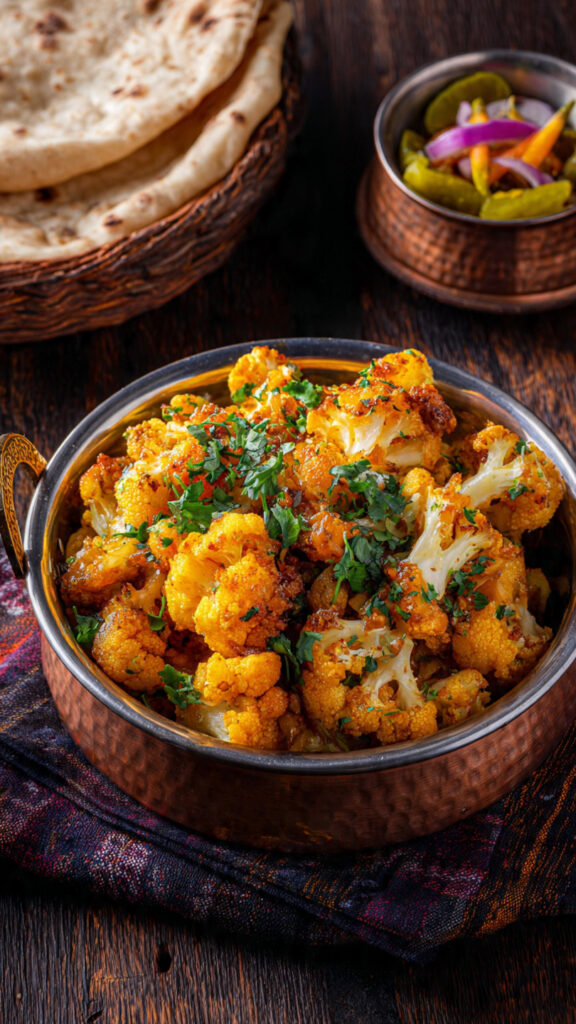
3. Aloo Gobi (Potato & Cauliflower): The Frozen Food Favorite
Why It’s Everywhere
Aloo Gobi has seen massive growth in frozen food aisles and ready-meal sectors due to its long shelf life and universal appeal.
Nutritional Highlights
- High in fiber and vitamin C
- Naturally low in fat
- Supports immunity with turmeric and ginger
- Ideal for meal prep ideas
Flavor Profile
A dry curry combining potatoes and cauliflower with turmeric, cumin, and coriander which is lightly spiced yet deeply satisfying.
Pro-Tip
Roast the vegetables before cooking to add caramelization and enhance flavor complexity
Key Takeaway
Aloo Gobi thrives globally due to its simplicity, shelf-stability, and adaptability.
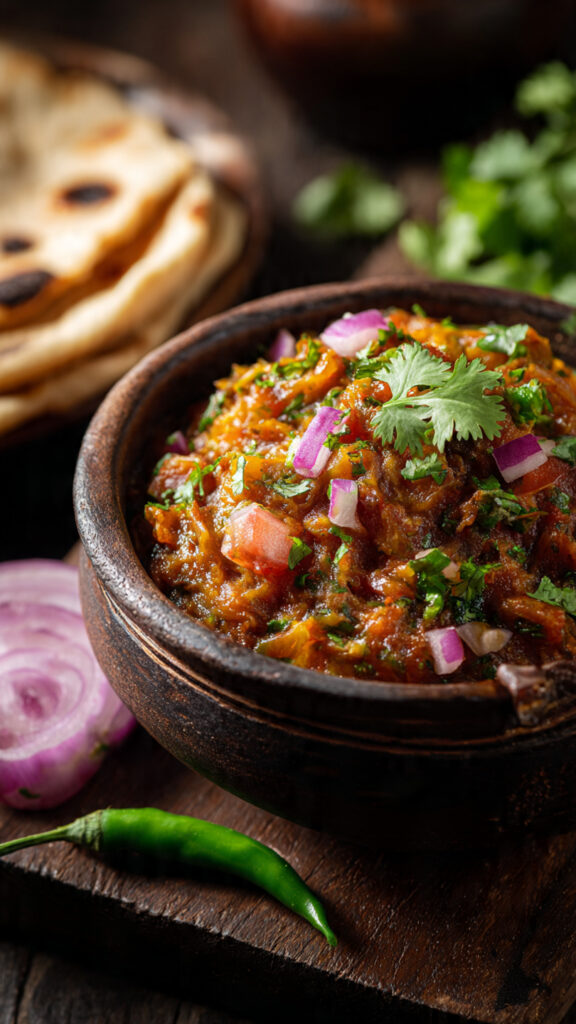
4. Baingan Bharta (Smoked Eggplant): The Clean Label Star
Why It’s Trending in 2026
With the rise of clean eating and whole-food diets, Baingan Bharta has become a standout and one of the Best vegan Indian dishes. It uses minimal ingredients and no processed elements.
Nutritional Highlights
- Low-calorie and nutrient-dense
- Rich in antioxidants from eggplant
- Supports heart health
- Free from additives,perfect for clean-label consumers
Flavor Profile
Smoky roasted eggplant mashed and cooked with tomatoes, onions, and spices delivering a rich, earthy taste.
Pro-Tip
Char the eggplant directly over the flame for authentic smokiness,it makes all the difference.
Key Takeaway
Baingan Bharta aligns perfectly with clean-label and whole-food plant-based trends.
5. Vegetable Jalfrezi: The Takeout King
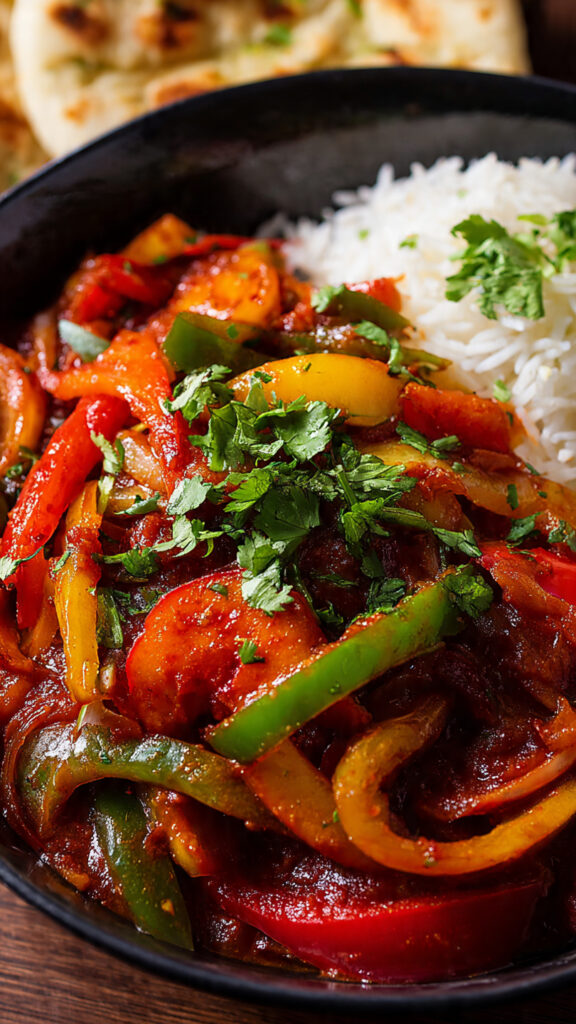
Why It Dominates Ready-to-Eat Markets
Vegetable Jalfrezi is a top choice in takeout menus and ready-to-eat packaging, especially in Europe and North America.
Nutritional Highlights
- Packed with mixed vegetables
- Rich in vitamins A and C
- Low in calories
- Customizable with seasonal produce
Flavor Profile
A stir-fry style curry with bell peppers, onions, and tomatoes in a tangy, spicy sauce,less gravy and more texture.
Pro-Tip
Add tofu or tempeh for extra protein and a modern twist on traditional meat alternatives.
Key Takeaway
Jalfrezi’s versatility and quick cooking style make it a global favorite in fast-casual dining.
Why These 5 Best vegan Indian dishes Own the Global Market Share
Data-Driven Insights Behind Their Success
These dishes aren’t just delicious they’re strategically positioned for global dominance due to several key factors:
1. Ease of Canning & Packaging
Lentils and chickpeas maintain texture and flavor after processing
Ideal for ready-to-eat meals and export markets
2. High Protein & Nutritional Density
Meets demand for high-protein vegan Indian food
Appeals to fitness-conscious and health-driven consumers
3. Shelf Stability
Spices like turmeric and cumin act as natural preservatives
Long shelf life without compromising taste
4. Global Flavor Adaptability
Easily customizable spice levels
Compatible with Western palates and fusion cuisines
5. Alignment with Vegan Trends
Fits into global vegan food trends like WFPB and clean eating
Minimal reliance on processed ingredients
Key Insight
These curries succeed because they combine nutrition, scalability, and cultural authenticity making them ideal for global markets.
Conclusion: Bring These Global Vegan Hits to Your Kitchen
The rise of plant-based eating isn’t just a trend it’s a transformation and Indian cuisine, with its deep-rooted vegan traditions, is leading the charge.
From the protein-packed Dal Tadka to the smoky richness of Baingan Bharta, these dishes represent the Best vegan Indian Dishes
Loved these vegan curries? Explore our guide on the Best Paneer curries Dishes Dominating 2026 Food Trends.
- 7 Viral Ice Cream Recipes Taking Over Kitchens in 2026 (Easy & Trending)
- Trending South Korean Healthy Foods Going Viral in USA 2026
- How Japanese Restaurant Chains Built Billion-Dollar Food Empires
- Vegetarian Tom Yum Soup: History, Variations & Authentic Thai Flavors
- The $86.91 Billion Scoop: The 10 Ice Cream Recipes Dominating Global Market
Follow US